Harmondsworth gardeners near Heathrow: what to know before hiring
If you are comparing Harmondsworth gardeners near Heathrow what to know before hiring, you are probably trying to avoid a messy mistake: paying for a service that looks fine on paper but turns up underprepared, unclear on pricing, or simply not right for your garden. Fair enough. A small front lawn, a tired hedge, a windswept boundary, or a garden that has been ignored through winter can all look deceptively simple until someone actually starts work.
This guide breaks down the practical things that matter before you book a local gardener in Harmondsworth. You will learn how to judge service fit, what questions to ask, how local conditions around Heathrow can affect the job, and how to spot good workmanship before the first tool comes out of the van. If you want a neat, realistic view rather than sales fluff, you are in the right place.
Why Harmondsworth gardeners near Heathrow what to know before hiring Matters
Harmondsworth sits in a very practical part of west London. Gardens here can be compact, exposed, shaded, or shaped by busy transport routes and nearby airport activity. That means hiring a gardener is rarely just about "general maintenance". It is about finding someone who understands access, timing, seasonal pressure, pruning needs, boundary issues, and the real condition of local plots.
Near Heathrow, the pace of life can be a little odd for garden work. You might have shift workers needing early or flexible visits, rental properties that need tidy presentation, or a family garden that has to recover quickly after windy weather. In our experience, the best gardeners do not just cut grass and leave. They notice drainage, soil health, overgrown edges, and jobs that will become bigger problems in three months if ignored now. That saves you money later. Usually. Well, most of the time.
It also matters because a garden is one of those spaces where a poor decision lingers. If a hedge is cut badly, you see it every day. If turf is scalped, you wait weeks for recovery. If ivy or brambles are left to run wild, they do not politely stop at the fence. For that reason, your hiring decision should be based on more than price alone.
If you are already comparing options, it helps to understand the wider service range too. A reliable provider may offer garden maintenance, lawn care, hedge trimming in Harmondsworth, and related support such as patio cleaning or tree surgery where needed.
How Harmondsworth gardeners near Heathrow what to know before hiring Works
Hiring a gardener usually starts with an assessment, even if it is a quick one. A decent gardener will want to know the size of your garden, what needs doing, how often work is needed, and whether there are any awkward access points, pets, shared driveways, or parking limits. That first conversation matters because the right quote depends on the actual job, not a guess.
For many homes in Harmondsworth, the work falls into one of a few patterns:
- regular maintenance such as mowing, edging, weeding, and tidy-up visits;
- seasonal work like pruning, leaf clearance, winter prep, and spring resets;
- one-off rescue jobs for overgrown gardens, neglected hedges, or messy borders;
- specialist work such as fencing, landscaping, decking, or tree-related tasks.
The process is usually straightforward, but the details matter. A gardener should explain what is included, what is not, how waste is handled, whether plants are being pruned at the correct time of year, and whether extra labour may be needed once work begins. If someone gives you a very neat price with no questions asked, be cautious. That can be efficient, or it can be a sign they have not really looked at the job.
For customers who prefer clarity, a page like pricing and quotes can be useful before any booking. It helps set expectations around scope, frequency, and what influences cost. And if you want to know more about the company itself, a quick look at about us is often worth the minute.
Key Benefits and Practical Advantages
There are obvious benefits to hiring local gardeners, but the practical ones are the real payoff. The garden looks better, yes. More importantly, it stays manageable.
- Time back in your week: grass, hedges, weeds, and deadheading add up fast.
- Better seasonal timing: pruning, trimming, and winter protection are easier when someone works to the right rhythm of the year.
- Fewer expensive surprises: early intervention can stop overgrowth, rot, or structural damage from becoming a bigger repair.
- More usable outdoor space: a cleaned patio, safer border, or tidier lawn makes the garden feel like part of the home again.
- Improved presentation: helpful for homeowners, landlords, and anyone preparing a property for sale or letting.
There is also a quieter benefit: peace of mind. A good gardener notices the awkward stuff. The ivy creeping into a fence line. The soil that dries out too quickly. The hedge that is getting dense enough to block light. Those are small observations, but they are the difference between maintenance and catch-up chaos.
For example, a modest Harmondsworth rear garden with shaded edges might benefit from layered planting, ground cover, and climbers rather than just constant cutting back. If that sounds relevant, related ideas like ground cover plants and evergreen climbers for shady areas can help you think beyond basic tidying.
Who This Is For and When It Makes Sense
This kind of hiring decision is not just for large gardens. In fact, smaller gardens often benefit most, because limited space can become cluttered very quickly.
It makes sense to hire a gardener if you are:
- short on time and want reliable upkeep;
- dealing with an overgrown garden after months of neglect;
- preparing a property for rent, sale, or inspection;
- wanting seasonal help rather than full-time care;
- unsure how to manage hedges, borders, or awkward planting beds;
- looking for help with outdoor improvements, not just mowing.
It also makes sense if your garden has a few problem areas that keep returning. Shade. Wind. Drainage issues. Persistent weeds. Heavy clay soil. Or that one patch by the fence where nothing ever seems happy. To be fair, every garden has a "thing" like that. Yours is not alone.
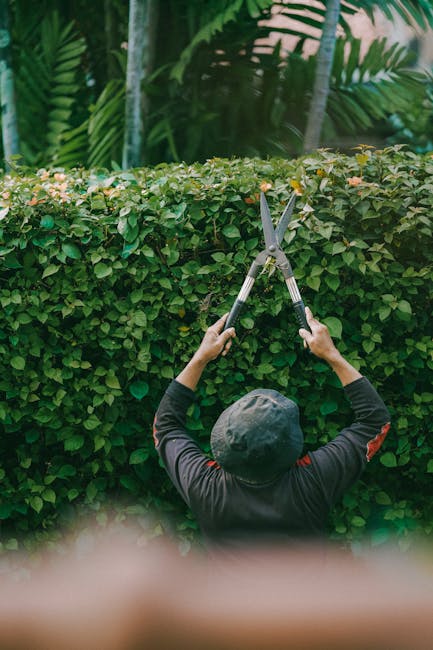
If your main issue is a specific job, matching the service matters. A gardener focused on lawn mowing may be ideal for regular grass care, while someone experienced in landscaping is a better fit for bigger layout changes. Likewise, if hedges are the main headache, a dedicated hedge trimming service can be the smarter choice.
Step-by-Step Guidance
If you want to hire well, keep the process simple and deliberate. No drama. Just a few smart steps.
- Define the job clearly. List the areas that need work, the tasks you want done, and anything that is not negotiable. For example: front lawn only, hedge trim included, no weed-killing chemicals, or patio clean after cutting back climbers.
- Walk the garden before requesting a quote. Check fences, corners, hidden paths, hose points, and access gates. Small details affect labour time more than people expect.
- Ask what is included. Does the price cover waste removal, edging, pruning, and light clearing? Or is it just labour?
- Check whether the gardener works on a one-off or recurring basis. Some jobs are best handled as a rescue visit followed by regular upkeep.
- Discuss timing. If the work is seasonal or weather-sensitive, ask when it should be done for the best result. A hedge cut at the wrong time can look worse for longer.
- Confirm practical matters. Parking, access, gates, water supply, pets, and neighbour boundaries can all affect the visit.
- Review the final scope before work starts. This is the point where misunderstandings are easiest to prevent.
A small but important point: if you are asking for several jobs at once, prioritise them. A garden rescue after a wet, windy spell may need clearing before shaping. Or maybe the other way round. That depends. But trying to do everything at once without a plan usually costs more and looks messier in the middle.
For outdoor spaces that need a wider refresh, it can help to think in themes. Do you want a simple low-maintenance garden? Then low-effort budget ideas may be a useful starting point. Want a more layered or flexible setup? Then vertical gardening techniques could make the most of tighter Harmondsworth plots.
Expert Tips for Better Results
A few habits separate an average hire from a really solid one. These are the things that tend to save disappointment later.
- Choose fit over flash. A gardener who understands your type of garden is more valuable than one who sounds polished but vague.
- Ask how they handle overgrowth. A proper plan for thick ivy, brambles, or neglected borders is worth hearing. You may find useful background in effective ivy removal and bringing an overgrown garden back under control.
- Use the seasons. Winter prep, spring feeding, summer watering, and autumn tidy-ups are not just routine. They shape how healthy the garden looks six weeks later.
- Keep notes after the first visit. What was done? What still needs work? That little list makes future visits smoother.
- Think in outcomes. Do you want lower maintenance, more privacy, a better lawn, or safer access? Ask for work that supports that outcome.
One practical example: if wind regularly knocks things about near Heathrow, ask about sheltered planting, staking, and boundary resilience. You might also want to read up on handling garden winds and mitigating severe weather. Those issues matter more than people think, especially after a blustery night when the garden looks like it has had a rough commute.
And yes, the best gardeners usually ask awkward questions. That is a good sign. If they ask what you already hate about the garden, they are thinking like a problem-solver, not just a mower with boots on.
Common Mistakes to Avoid
Most hiring regrets come from the same handful of mistakes. They are easy to make and annoying to undo.
- Choosing only by price. Cheap can be fine, but cheap without clarity is how misunderstandings happen.
- Not defining the scope. If you do not say whether waste removal or hedge shaping is included, assumptions creep in.
- Ignoring access issues. A narrow side gate, locked alley, or difficult parking spot can change the whole job.
- Booking the wrong type of service. A maintenance visit is not the same as a landscaping project.
- Forgetting seasonal timing. Some work is fine any time; some really is not.
- Leaving problem areas too long. Weeds, ivy, and broken edging get harder to deal with the longer they are left.
Another common one: forgetting that your garden is a living thing, not a room. It changes. Fast. A patch that seems "fine for now" can become a proper nuisance after one wet spell and a bit of warmth. That is just British gardening, really.
Tools, Resources and Recommendations
You do not need to buy a shed full of kit before hiring a gardener, but it helps to know what a professional might use and why. Good tools are often a sign of good habits.
Useful kit and capabilities may include:
- sharp shears and hedge trimmers for clean cuts;
- lawn mowers suitable for the size and condition of the grass;
- pruning tools for shrubs, perennials, and dead wood;
- basic pressure or patio cleaning tools for hard surfaces;
- wheelbarrows, bags, and waste handling equipment;
- protective gear and safe lifting practices.
If you are trying to understand what quality kit looks like, top gardening tools no outdoor lover should be without is a helpful companion read. For bigger lifestyle changes, you may also like cozy outdoor seating ideas or zen garden ideas if you want the space to feel calmer, not just cleaner.
And if you are a practical household, a little preparation before the visit helps more than people expect. Move toys, wheelie bins, loose pots, and garden furniture where possible. If you are planning seasonal planting, starting a herb garden or refreshing containers through container gardening basics can fit neatly around general maintenance.
Law, Compliance, Standards, or Best Practice
For most domestic gardening jobs, the key concerns are not complicated law books. They are practical duty of care, safe working, and clear communication. Still, there are a few best-practice points worth knowing.
A professional gardener should work safely around tools, ladders, electricity, fuel, sharp blades, and uneven ground. If tree work is involved, the job becomes more serious and should be handled appropriately. Larger pruning, felling, or anything risky around height and overhead hazards should not be treated as casual DIY territory. If a provider is offering tree-related work, ask how they approach safety and competence. That is normal, not awkward.
It is also sensible to ask about insurance and safety arrangements. A trustworthy provider should be able to explain how they manage risk, protect property, and handle unforeseen issues. You can read more on the site's insurance and safety and health and safety policy pages. If you care about how complaints, payment, or service expectations are handled, the relevant pages on complaints procedure, payment and security, and terms and conditions are useful to review too.
For greener or lower-impact approaches, you may want to ask about composting, waste reduction, and wildlife-friendly choices. If that matters to you, sustainable gardening practices and turning leftovers into rich soil are good related reads. Best practice does not have to be fancy. It just has to be consistent.
Options, Methods, or Comparison Table
Different gardens need different kinds of help. Here is a simple way to compare the main options before you hire.
| Option | Best for | Strengths | Watch-outs |
|---|---|---|---|
| Regular maintenance | Ongoing tidy gardens, lawns, and borders | Predictable, neat, and easier to budget for | Can miss deeper issues if no periodic review is done |
| One-off tidy-up | Overgrown gardens or pre-sale refreshes | Quick visual improvement, useful for urgent jobs | Problem areas may return if not followed up |
| Seasonal visit | Spring clean, autumn clearance, winter prep | Targets the right jobs at the right time | Not enough on its own for very fast-growing gardens |
| Specialist service | Hedges, lawns, fencing, decking, or trees | Better expertise for a specific issue | May need coordination if multiple jobs are involved |
If your garden has several issues at once, a combined approach often works best: maintenance plus one specialist job, or a tidy-up followed by regular visits. That way the garden does not bounce straight back to square one.
For example, a damaged fence, patchy lawn, and clogged patio can be tackled in stages through fencing, lawn care, and patio cleaning. It is not glamorous, but it works.
Case Study or Real-World Example
Here is a realistic scenario based on the kind of work many local gardens need.
A homeowner in Harmondsworth had a back garden that looked fine from the kitchen window, but the reality was different: the hedge had grown too dense, the lawn was uneven, weeds were pushing through the border, and ivy had started climbing near the fence line. The owner wanted the garden to feel usable again without turning it into a costly redesign.
The first visit focused on clearing the worst of the overgrowth and identifying what could wait. The hedge was trimmed back carefully, the lawn was brought to a manageable level, and the ivy was dealt with properly rather than just hacked away. After that, a simple maintenance plan was set up: regular mowing, border checks, and seasonal hedge work. Nothing dramatic. Just steady control.
The useful part was not only the visible difference. It was that the garden started staying tidy. That is the real win. A one-off rescue can feel satisfying, but a plan is what keeps the peace. You stop dreading the back door view every time you open it, which, let's face it, is half the battle.
If your own garden feels similar, you might also find it helpful to look at hedge trimming techniques, weed-free space tips, and winterproofing garden plants before deciding what to prioritise.
Practical Checklist
Use this before you hire. It keeps conversations focused and avoids most awkward surprises.
- Define the main job: maintenance, tidy-up, lawn care, hedge work, or landscaping.
- List problem areas: weeds, ivy, shade, wind, drainage, broken edges, or overgrowth.
- Check access: gates, parking, side paths, bins, and locked areas.
- Ask what the quote includes: labour, waste removal, materials, and follow-up.
- Confirm timing: one-off, weekly, fortnightly, monthly, or seasonal.
- Ask about safety and insurance: especially for ladders, tools, trees, and heavier work.
- Review how payment works: invoice, card, or agreed payment terms.
- Check whether they specialise: general maintenance, hedge trimming, lawn care, or larger garden projects.
- Decide your outcome: tidy, low-maintenance, more privacy, better lawn, or improved curb appeal.
- Keep notes after the first visit: what was done and what needs to happen next.
And one more small thing: if you have pets or children using the garden, tell the gardener before work begins. It changes how tools, gates, and access should be handled. Simple, but easily forgotten in a rush.
Get a free quote today and see how much you can save.
Conclusion
Hiring Harmondsworth gardeners near Heathrow is really about fit, clarity, and timing. The best choice is rarely the cheapest or the flashiest. It is the gardener who understands your space, asks proper questions, and helps the garden become easier to live with, not just briefly tidier.
Before you book, think about the outcome you want, the specific jobs that matter most, and the practical realities of access, weather, and upkeep. That small bit of preparation makes the whole experience smoother. And if the garden feels overwhelming right now, that is normal. Most gardens are one good plan away from being manageable again.
Start with the essentials, choose carefully, and let the work build from there. The garden does not need perfection. It just needs attention, a sensible plan, and someone who knows what they are doing on a damp Tuesday morning when the hedges are a bit too enthusiastic.
Frequently Asked Questions
What should I ask before hiring a gardener in Harmondsworth?
Ask what is included in the quote, whether waste removal is covered, how often they recommend visits, and whether they have experience with the specific jobs you need. It is also wise to ask about access, timing, and safety for any heavier work.
How do I know if I need a one-off visit or regular garden maintenance?
If your garden is tidy enough but needs ongoing care, regular maintenance usually makes sense. If it is overgrown, messy, or has been neglected for a while, a one-off tidy-up first may be better, followed by maintenance later.
Are local gardeners near Heathrow used to working around access and parking issues?
Good local gardeners usually are, but you should still mention it early. Narrow entrances, shared driveways, restricted parking, and gated access can all affect how the job is planned and priced.
What jobs do gardeners in Harmondsworth typically handle?
Common jobs include lawn mowing, hedge trimming, weeding, border care, garden tidy-ups, patio cleaning, planting, and seasonal maintenance. Some also handle larger services such as landscaping, fencing, decking, and tree work.
How can I compare two gardener quotes properly?
Compare scope rather than just price. Check what each quote includes, whether waste removal is covered, whether materials are extra, and whether the work is a one-off or ongoing service. A cheaper quote can be more expensive if it leaves out essentials.
Do I need to prepare my garden before the gardener arrives?
Only lightly. Move fragile items, toys, and loose furniture if you can. It also helps to clear access to gates and paths. You do not need to pre-clean the garden; that is a bit of a pointless day-before panic, really.
What if my garden has ivy, brambles, or heavy overgrowth?
Say so upfront. Overgrowth often needs more time, more labour, and sometimes a staged approach. It is better to be honest at the quote stage than to discover halfway through that the job is much larger than expected.
Can a gardener help make a garden lower maintenance?
Yes. A good gardener can suggest ground cover, easier edging, better pruning routines, and layout changes that reduce future work. For some gardens, that is more valuable than a one-time tidy-up.
Should I ask about insurance and safety?
Absolutely. Especially if the job involves ladders, sharp tools, tree work, or work near structures. A professional should be able to explain how they manage safety and risk in straightforward terms.
What is the best time of year to hire a gardener?
There is no single best time. Spring and autumn are busy because many gardens need extra attention, but winter and summer can be important too, depending on the work. Seasonal timing matters more than the calendar alone.
Can gardeners help with outdoor improvements, not just maintenance?
Yes, many can. Depending on the service, they may help with landscaping, fencing, decking, or shaping areas for seating and relaxation. If you want a garden that feels more useful, not just neat, that broader view helps a lot.
How do I make sure I choose the right gardener for my home?
Focus on experience, clarity, service fit, and communication. The best choice is the gardener who understands your priorities, answers questions properly, and gives you confidence that the garden will be looked after sensibly over time.