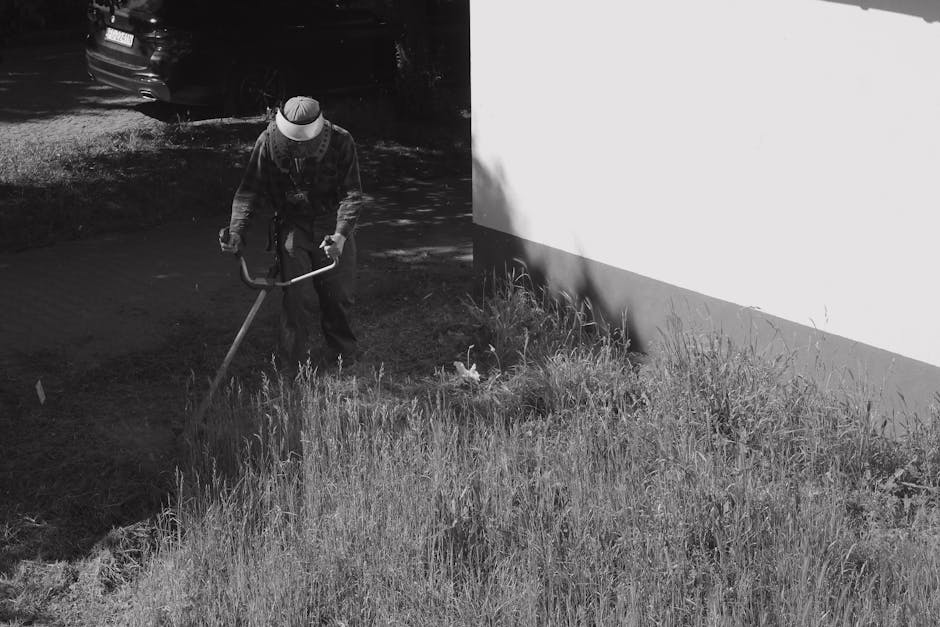
Sipson garden maintenance by local Harmondsworth gardeners
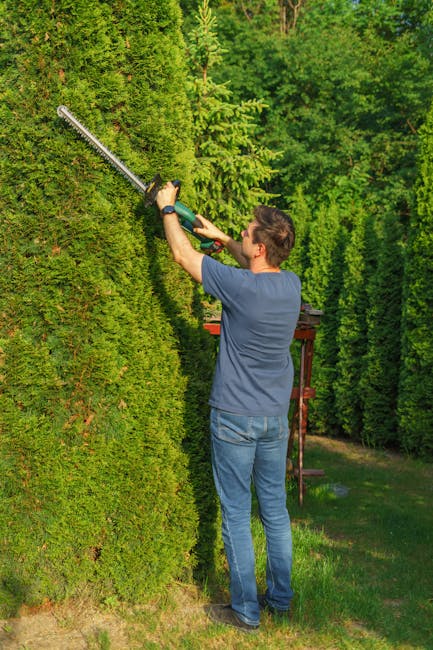
If your garden in Sipson has started to feel a bit unruly, you are not alone. Between fast-growing hedges, stubborn weeds, wet weather, patchy lawns, and the general busyness of everyday life, even a well-loved outdoor space can drift out of shape. That is where Sipson garden maintenance by local Harmondsworth gardeners makes a real difference. It is not just about cutting things back. It is about keeping your garden healthy, usable, and pleasant to look at all year round.
Local knowledge matters here. Gardens near Heathrow and across the Harmondsworth-Sipson area face practical challenges that a one-size-fits-all approach often misses: wind exposure, compacted soil, shade from mature trees, awkward access, and seasonal growth that seems to come all at once. In this guide, we will look at how proper maintenance works, what it includes, who needs it most, and how to judge whether you need a one-off tidy-up or a regular schedule. A bit of structure now can save a lot of hassle later, honestly.
Why Sipson garden maintenance by local Harmondsworth gardeners Matters
A garden does not usually fail all at once. It slips. First the edges soften, then the lawn thins out, then the hedge starts leaning into the path, and before long the space feels smaller, darker, and harder to enjoy. For Sipson homes, that slow drift can be especially noticeable because local conditions often encourage rapid growth in spring and early summer, while winter and heavy rain can leave borders messy and compacted.
Regular maintenance is what keeps that drift under control. It preserves the shape of the garden, protects planting schemes, and helps you spot problems before they become expensive. A small weed patch today can become a root-bound nuisance tomorrow. A hedge left too long can block light, reduce privacy in the wrong places, and become a bigger job than it needed to be. You know how it goes.
There is also a comfort factor. A tidy outdoor space is easier to use. You notice it when you step outside with a coffee on a Saturday morning and everything feels calm rather than chaotic. That feeling is not cosmetic fluff. It changes how often you use the garden, how safe it feels for children or pets, and how much value you get from the space you already own.
Expert summary: Good garden maintenance is not about making everything perfect. It is about creating a predictable rhythm: cut, clear, feed, tidy, inspect, and reset before problems stack up.
If you are comparing service levels, it helps to remember that maintenance is broader than mowing. It may include hedge trimming, weed control, lawn care, deadheading, leaf clearance, border refreshing, patio cleaning, and seasonal preparation. For a more complete picture of what ongoing upkeep can cover, see the site's garden maintenance service and the wider gardening services offered locally.
How Sipson garden maintenance by local Harmondsworth gardeners Works
At a practical level, garden maintenance usually starts with an assessment. The gardener looks at the site as a whole: lawn condition, hedge lines, weed pressure, drainage issues, pruning needs, access, and any features that need care such as decking, patios, fencing, or trees. This first look matters because a good maintenance plan is built around the garden you actually have, not the garden you wish you had on paper.
After that, work is usually grouped into recurring tasks. Some are routine and short, such as mowing, edging, and clearing debris. Others are seasonal, like cutting back soft growth, managing leaf fall, or protecting plants before colder weather settles in. In a wet week, for instance, the order may change. A professional will often start with the most weather-sensitive work first, because soggy lawns and slippery surfaces can change the day's plan quickly. That is normal.
Local gardeners are also more likely to notice the little things that affect long-term results. Is one corner always damp? Is wind scorching a border? Is ivy beginning to creep into a fence line? Those observations shape better maintenance decisions. If your garden has a lot of shade or climbing growth, it can help to read about evergreen climbers for shady areas and how to remove ivy effectively, because these issues often show up in the same gardens that need regular care.
In many cases, the process also includes a handover conversation. What matters most to you? A formal front garden? A child-friendly lawn? Better privacy? Lower maintenance? The answer changes how work should be prioritised. A tidy garden that no one enjoys is still not doing its job.
Key Benefits and Practical Advantages
The obvious benefit is visual. A maintained garden looks cleaner, sharper, and more intentional. But the real value goes deeper than appearances. Regular upkeep helps plants grow more strongly because they are not competing so aggressively with weeds, stray runners, or dead material. Lawns breathe better when they are not smothered by thatch or debris. Hedges hold their shape more cleanly when they are trimmed at the right times, rather than hacked back in panic later.
There is also a safety angle. Overgrown paths can hide trip hazards. Slippery patios collect algae and debris. Low branches can poke into walkways. Even a simple line of ivy can become awkward if it starts lifting mortar or trapping damp against a surface. For family gardens, this is especially relevant. If your outdoor space is used by children, or if pets roam around freely, regular tidying makes the garden more predictable and safer to use. If that is a priority, the site's guidance on creating a safe outdoor space for children is well worth a look.
Maintenance also protects investment. Plants, paving, timber, and soil all last longer when cared for properly. It is a bit like servicing a car: the work is not always glamorous, but it prevents larger problems that are expensive and annoying. Let's face it, nobody wants to spend a sunny weekend wrestling waist-high weeds and a hedge trimmer that should have been retired years ago.
For many Sipson households, the biggest practical advantage is time. A regular maintenance plan means the garden stays manageable instead of becoming a quarterly rescue mission. That makes life easier whether you are home all week, away often, or simply not keen on spending your Saturday on your knees pulling dock leaves. Fair enough.
| Maintenance approach | Best for | Typical strengths | Limitations |
|---|---|---|---|
| One-off garden tidy-up | Overgrown or neglected spaces | Fast reset, clear visual improvement | Problems can return quickly without follow-up |
| Regular maintenance visits | Busy households and actively used gardens | Consistent appearance, fewer emergencies, healthier plants | Needs a schedule and clear priorities |
| Seasonal maintenance plans | Gardens with strong spring/summer growth or winter exposure | Good for pruning, leaf clearance, and weather prep | Less responsive to sudden changes between visits |
Who This Is For and When It Makes Sense
This type of maintenance makes sense for a wider range of people than you might think. Homeowners often need it when the garden has become too much to handle consistently. Landlords and property managers need it because a tidy exterior supports the presentation and upkeep of the whole property. Busy families often need it because the garden gets used, but not necessarily maintained every week. And older homeowners may simply want the reassurance that the work will be done safely and properly without lifting heavy bags or climbing unstable steps.
It is also a strong fit for gardens that are structurally awkward. Narrow side returns, split levels, dense boundary planting, and spaces with poor access often require more planning than a basic mow-and-go. In those cases, experience matters. A local gardener who understands the area is more likely to plan around the layout, not fight it.
You may also want ongoing maintenance if your garden includes features that need specialist attention. A hedge line might need regular shaping, which is where hedge trimming in Harmondsworth becomes useful. A lawn that has gone patchy or mossy may need more focused lawn care rather than basic mowing alone. And if the patio has gone slippery or stained, it can be worth pairing upkeep with patio cleaning.
Sometimes the trigger is simple: you look out the kitchen window and think, "Right, that needs sorting." That moment is usually the sign. Not dramatic, just honest.
Step-by-Step Guidance
If you are trying to understand what good garden maintenance should look like, it helps to break it into a sensible sequence. The best results usually come from a structured process rather than random tidying.
- Inspect the full garden. Start by looking at the lawn, borders, hedges, hard surfaces, fences, and any problem areas. Check where weeds cluster, where water lingers, and where growth is becoming untidy.
- Set priorities. Decide what must be done now, what can wait, and what needs a seasonal approach. A dangerous branch or slippery path comes before cosmetic work every time.
- Clear debris first. Removing fallen leaves, dead stems, and loose cuttings gives a cleaner working area and makes later tasks more effective.
- Deal with weeds and invasive growth. This is often the point where a garden starts to feel transformed. For repeat offenders, the article on weed-free spaces offers helpful practical thinking.
- Cut, trim, and shape. Hedge trimming, edging, pruning, and border tidying bring structure back into the space. If climbing growth is getting out of hand, it is worth reading hedge trimming techniques and how to revive an overgrown garden.
- Refresh the lawn and borders. Mow, feed if needed, lift flattened edges, top up mulch where appropriate, and re-space plants if they are becoming overcrowded.
- Finish with a safety check. Look for uneven paving, loose timber, overhanging growth, blocked drainage, or anything that could cause trouble before the next visit.
A small but important clarification: the order is not rigid. If a storm has just blown through, for example, the first job might be clearing branches and checking damage. If it is midsummer and everything is growing like mad, the priority may be clipping and edge definition. Flexibility is part of good maintenance, not a sign that the plan is vague.
For gardens that need a broader refresh, it may also make sense to combine maintenance with light landscaping. If the layout is not working properly, a local team can advise on landscaping support or even related work such as fencing when boundaries have seen better days.
Expert Tips for Better Results
Here is the part where small decisions make a big difference. The best gardens are not always the fanciest ones. They are the ones where maintenance has been planned around how the space is actually used.
- Match maintenance frequency to growth rate. A compact courtyard with slow-growing planting may only need occasional attention, while a lush border in a sheltered spot may need more frequent visits.
- Trim little and often rather than all at once. This keeps hedges and shrubs healthier and avoids the blunt, overcut look that takes ages to recover from.
- Use the right tools for the job. Good secateurs, sturdy gloves, a sensible mower, and sharp trimming tools are worth far more than flashy gear. If you are unsure what belongs in a practical kit, the guide to essential gardening tools is a solid place to start.
- Think seasonally. Spring and early summer are often about controlling growth. Autumn is more about clearing, tidying, and preparing. Winter work tends to be slower, more selective, and more protective.
- Do not ignore soil and drainage. A tidy garden can still struggle if the soil is tired or waterlogged. Composting, aeration, and basic soil improvement can quietly solve problems that trimming never will.
A slightly old-school tip, but a good one: stand at the back door and look at the garden from there for ten seconds. You will spot shape problems quickly. It sounds almost too simple, but it works.
If you want to take maintenance further, sustainable choices can reduce waste and improve long-term health. The article on sustainable gardening practices is useful for anyone wanting a cleaner, lower-impact routine.
Common Mistakes to Avoid
One common mistake is waiting too long. Garden work becomes harder not in a straight line, but exponentially. A hedge left for two months can become a half-day task. Leave it for six months and it can turn into a proper slog. The same goes for weeds, especially around paving, paths, and gravel.
Another mistake is cutting too much at once. Heavy pruning can stress plants, expose weak growth, and leave the garden looking harsher than necessary. It is better to remove a little, reassess, and then finish the job properly. In my experience, people often regret the "well, I might as well just take it all back" approach. Gardens rarely love that.
People also underestimate hard surfaces. Patios, decking, and paths collect dirt, algae, and moss, which affect both appearance and safety. If those surfaces are ignored, the whole garden starts to feel unfinished even when the planting looks fine. For timber areas, it is wise to plan maintenance alongside decking services when needed, rather than treating them as separate worlds.
Finally, do not assume the same plan fits every season. What works in late April may be a poor fit in October. Weather, plant growth, and usage patterns all shift. A responsive gardener adjusts, rather than forcing the same routine over and over. That adaptability is one of the main things you are paying for, really.
Tools, Resources and Recommendations
Good maintenance is easier with the right kit and the right references. You do not need a shed packed like a hardware catalogue, but the basics should be dependable. Sharp hand tools save effort and reduce damage. A reliable mower keeps the lawn from becoming uneven. A sturdy rake, edging tool, pruning shears, and proper waste bags or bins are all useful in ordinary day-to-day work.
For homes that want more structure in the planting, it can help to think beyond mowing and trimming. Ground cover can suppress weeds in tricky spots and soften awkward corners. If you are dealing with bare patches or slopes, the article on ground cover plants is a strong companion read. Where shade is the main issue, the guide to shade-loving evergreen climbers can open up better planting choices too.
Container planting can also be part of a lower-maintenance routine, especially for small gardens or difficult corners. It gives you more control over soil, watering, and design. If that sounds useful, see container gardening basics. And if you like the idea of using vertical surfaces to save space, vertical gardening techniques are worth exploring.
There are also a few practical service pages that may help you decide what to prioritise: lawn mowing for regular grass upkeep, lawn care for a more complete turf approach, and tree surgery if overhanging branches or larger trees are affecting the garden's light and safety.
Law, Compliance, Standards, or Best Practice
For most homeowners, garden maintenance is a practical service rather than a heavily regulated one, but there are still important standards and best practices to keep in mind. Health and safety matters whenever tools, ladders, heavy waste, or awkward access are involved. Responsible gardeners should work carefully around uneven ground, wet surfaces, sharp equipment, and enclosed spaces.
Waste handling is another basic consideration. Green waste should be managed sensibly, and any removal or disposal needs to follow normal UK expectations for cleanliness and environmental care. If a job involves more than simple tidy work, it is sensible to ask how waste is collected and handled before the work starts. Clear communication helps avoid awkward surprises later.
If work is being carried out near boundaries, fences, or shared access areas, it is also best practice to agree what is being touched, what is not, and how any sensitive areas will be protected. That matters in real life more than people expect. One misplaced cut or accidental scrape can turn a tidy job into an unnecessary complaint.
For those who value reassurance, this site also provides useful supporting pages on insurance and safety, health and safety policy, terms and conditions, and payment and security. Those pages do not replace practical common sense, but they do help set expectations clearly.
Best practice, in simple terms, is this: work safely, communicate clearly, respect the garden, and leave the space better than you found it. That should not be rare. It should be normal.
Options, Methods, or Comparison Table
If you are deciding how to manage your garden, the main question is usually not whether to maintain it, but how. A few practical options tend to come up again and again.
| Option | What it involves | Strengths | Watch-outs |
|---|---|---|---|
| DIY upkeep | You handle mowing, weeding, pruning, and clearing yourself | Low direct cost, full control, flexible timing | Time-consuming, easy to miss issues, can become physically demanding |
| One-off professional tidy-up | A gardener resets the space and clears the backlog | Fast transformation, ideal for neglected gardens | Less effective if follow-up is skipped |
| Regular maintenance plan | Scheduled visits keep growth and mess under control | Consistent results, fewer emergencies, easier planning | Requires commitment and a clear brief |
| Hybrid approach | You do lighter tasks, professionals handle the heavy or technical jobs | Balanced cost and convenience | Needs good coordination so tasks do not overlap or get missed |
For many Sipson homes, the hybrid route makes a lot of sense. You can keep an eye on light tasks while leaving the awkward stuff, the high stuff, and the truly muddy stuff to someone used to doing it every day. There is no prize for doing everything the hard way.
Case Study or Real-World Example
Here is a realistic example based on the sort of garden that comes up often in the area. A semi-detached property in Sipson has a medium-sized rear garden with a tired lawn, dense hedge growth along the back boundary, weeds appearing through paving, and a narrow side access path that catches leaves and mud. The owners want the space to feel calmer and easier to use, especially in the warmer months when family visits and outdoor meals are more common.
The first visit focuses on a reset. The hedges are cut back to restore shape and light, the lawn is mown and edged, weeds are removed from the hard surfaces, and the patio is cleaned so it no longer feels slick underfoot. Border areas are tidied and loose growth is cut away. By the end of the job, the garden is not reinvented, but it is visibly more usable. That is the key difference.
On the follow-up schedule, the emphasis shifts to keeping things steady. Smaller hedge trims prevent the boundary from becoming overwhelming again. Lawn care is adjusted to the season. Problem weeds are monitored before they spread. The owners do not need a full rescue every time. They need the garden to stay in the zone where it is easy to enjoy.
This is where local gardeners often bring extra value. They know which jobs are likely to snowball in a damp spell, which corners dry out quickly, and how quickly a tidy garden can get away from you if the season turns fast. A little local judgement goes a long way, truth be told.
Practical Checklist
Use this checklist if you want to assess whether your garden is ready for a maintenance visit or a fresh plan.
- Are the lawns even, cut, and free from obvious thatch or moss build-up?
- Are hedges and shrubs shaping the garden properly rather than crowding paths or windows?
- Are weeds under control in borders, gravel, paving joints, and beds?
- Do patios, paths, and decking feel safe rather than slippery or cluttered?
- Has leaf fall, storm debris, or dead growth been cleared away?
- Are problem areas like shade, wind, or poor drainage being managed sensibly?
- Do fences, trees, and boundary features need attention too?
- Is the garden easy to use for children, pets, or older family members?
- Do you have a seasonal plan, or are you just reacting when things get messy?
- Would a regular schedule save you time, stress, and repeated catch-up work?
If you can tick only a few of these boxes, that is usually a sign the garden needs more than a quick tidy. If you can tick most of them, good news: you are probably already close to a simple, maintainable routine.
Conclusion
Sipson garden maintenance by local Harmondsworth gardeners is about more than neat edges and mown grass. It is about keeping your outdoor space healthy, safe, and genuinely enjoyable to use. The best maintenance plans are calm, consistent, and shaped around the way your garden behaves through the seasons. That is what turns a space from "something to deal with" into somewhere you want to be.
Whether your garden needs a one-off rescue or a regular routine, the smartest next step is to focus on the real issues first: growth, weeds, safety, structure, and seasonality. Get those right, and the rest becomes much easier. And once the garden is under control, it tends to stay that way with far less effort than people expect.
Get a free quote today and see how much you can save.
When a garden is working well, it has a way of giving a little back every day. A clean line, a healthy border, a bit of evening light on the lawn. Small things, but they matter more than we admit.
Frequently Asked Questions
What does Sipson garden maintenance by local Harmondsworth gardeners usually include?
It usually covers routine upkeep such as mowing, hedge trimming, weeding, border tidying, leaf clearance, pruning, and keeping patios or paths presentable. Some gardens also need lawn care, seasonal cut-backs, or help with overgrown areas.
How often should a garden in Sipson be maintained?
That depends on the garden's size, planting, and how fast things grow. Some spaces need weekly or fortnightly attention in peak season, while others can be maintained monthly or seasonally. A sheltered, fast-growing garden usually needs more frequent care than a small, simple one.
Is a one-off tidy-up enough, or do I need regular visits?
If the garden is badly overgrown, a one-off tidy-up can be the right first step. But if you want the garden to stay manageable, regular visits are usually more effective. A reset without follow-up often means the same problems come back pretty quickly.
Can local gardeners help with hedges that have become too tall?
Yes, hedge work is a common part of maintenance. Tall or dense hedges often need careful reduction and shaping rather than a rough cut. If the hedge is near boundaries or overhanging structures, it is especially sensible to get it handled properly.
What if my garden has a lot of weeds and ivy?
That is very common. The important thing is to deal with the source, not just the surface. Repeated weeding, edging, and targeted removal are usually needed, especially where ivy has started spreading into fences, walls, or neglected corners.
Do I need garden maintenance in winter?
Often, yes. Winter work may be lighter, but it still matters. Clearing debris, managing fallen leaves, checking for damage, and protecting vulnerable plants can save a lot of work later in the year. It is not glamorous, but it pays off.
Can maintenance include patios, decking, or fencing?
It can, depending on the garden and the service plan. Hard surfaces often need cleaning, and fencing may need attention if it has become damaged or untidy. A well-kept garden usually needs a bit of attention across the whole space, not just the planting.
What are the biggest mistakes people make with garden upkeep?
The biggest mistakes are leaving things too long, cutting too hard, ignoring weeds until they spread, and forgetting about hard surfaces. Another common one is trying to do everything at once instead of working through the garden in a sensible order.
How do I choose between DIY upkeep and hiring a gardener?
If you enjoy garden work, have the time, and the garden is fairly simple, DIY can work well. But if the space is large, awkward, overgrown, or physically demanding, hiring help often makes more sense. A hybrid approach is often the most practical.
Are there safety considerations I should ask about before work starts?
Yes. You should ask how the work will be carried out safely, how waste will be handled, and whether any areas need to be kept clear. It is also sensible to ask about insurance, especially for jobs involving ladders, tools, or larger boundary work.
Does garden maintenance help with property presentation?
Absolutely. A neat front or rear garden improves first impressions and makes the whole property feel better cared for. Even small improvements, like clear paths and tidy edges, can change how a home feels.
How do I get started if my garden feels overwhelming?
Start with a simple assessment: what is overgrown, what is unsafe, and what is just untidy. Then decide whether you need a reset, a regular plan, or both. If you are unsure, asking for a quote is usually the easiest way to get a realistic sense of the work involved.
Where can I learn more about related garden services?
You can explore related information on lawn mowing, lawn care, hedge trimming, patio cleaning, landscaping, tree surgery, and fencing to build a maintenance plan that fits the whole garden, not just one part of it.